The clearest signs of a slab leak in Belen homes are a water meter that keeps moving with every tap and appliance off, a water bill that rises without explanation, the sound of running water when nothing is on, and a patch of floor that feels warm, damp or newly cracked. One sign on its own can have an everyday cause. Two or three together, especially with a moving meter, are worth a call.
This guide explains what each clue means, what it can be confused with, and what to do next.
Meter, bill and sound: the slab leak symptoms you can check
The meter is the most reliable test you can do yourself. Turn off every tap, make sure no toilet is filling, and stop anything that uses water automatically, such as an ice maker, softener or irrigation. Then watch the meter for a few minutes. Any movement, especially on the small flow indicator, means water is going somewhere.
Sound is the next clue. Many people first hear water running under floor tiles or carpet late at night, when the house is quiet: a soft hiss, a trickle, or a faint rushing that seems to come from the floor rather than a fixture. Note where it's loudest.
A high water bill leak: reading the numbers
Compare the latest bill with the same month last year rather than last month, since summer watering and winter use differ. A rise you can't explain by guests, a new appliance or garden work deserves a closer look.
A slow leak adds a steady amount every day, so the increase tends to persist rather than appear once. If you can read your meter, take a reading at night and again in the morning with no water used in between. Any difference is water you didn't use.
| What you notice | Could be a slab leak | Also check |
|---|---|---|
| Meter moving, all off | Yes | Toilet flapper, outdoor spigot, irrigation valve, softener |
| High water bill | Yes | Seasonal watering, guests, a new appliance |
| Running water sound | Yes | Toilet refilling, water heater, neighbour's line |
| Warm floor spot | Yes, hot side | Heating ducts or radiant heat under the floor |
| Damp carpet | Yes | Window leak, pet accident, appliance overflow |
Floor, wall and baseboard clues
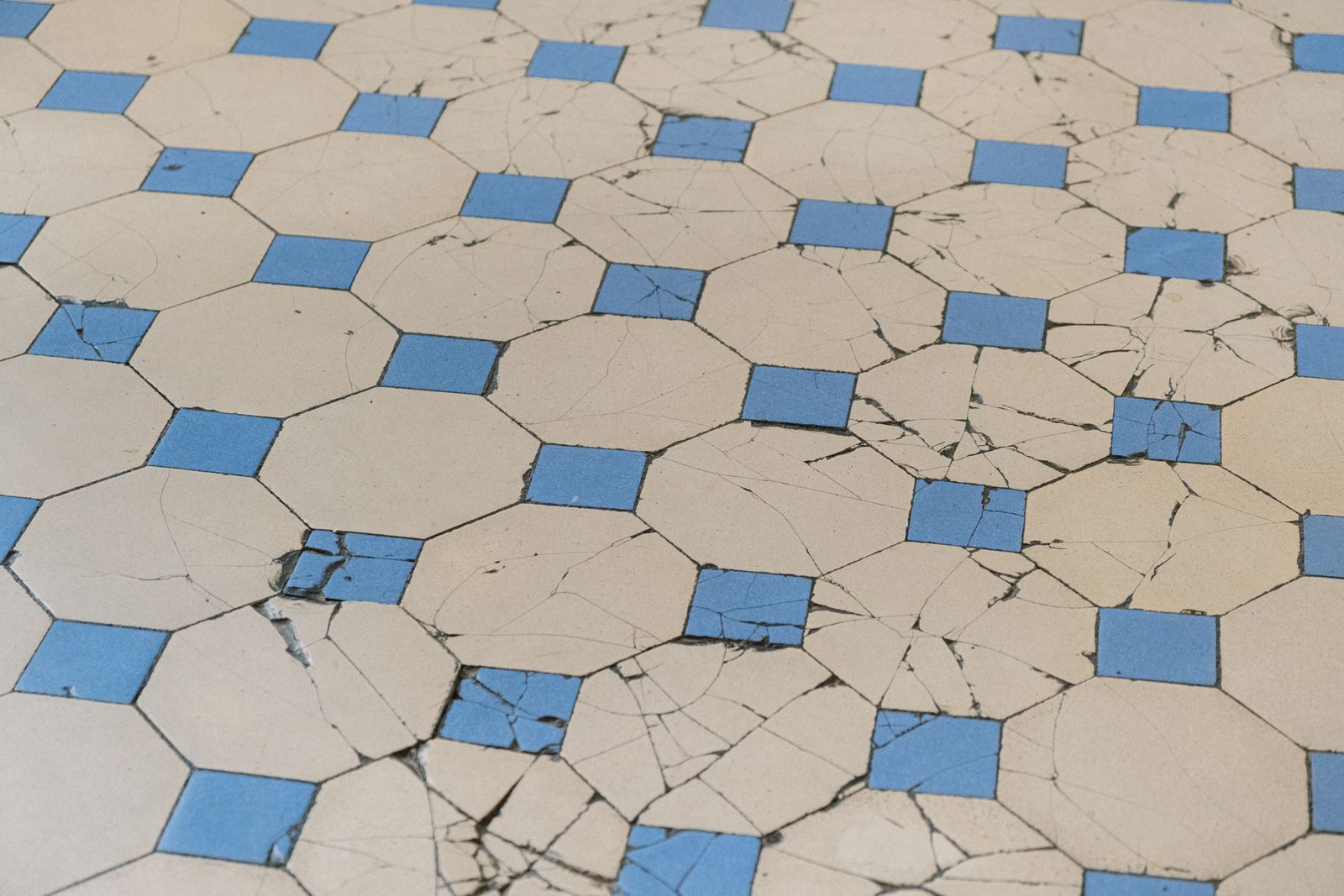
Inside the house, look at the floors closest to bathrooms, the kitchen and the water heater, since that's where supply lines run. Warning signs include carpet that stays damp, laminate or wood that cups or lifts at the edges, tile or grout that cracks near a spot that feels wet, and a musty smell that doesn't go away.
Baseboards can show staining, swelling or peeling paint at the bottom. A warm spot on tile, particularly one a pet has adopted, points to the hot line in particular.
Outdoor clues near the foundation
Sometimes the clue is outside. Soil that stays damp along one part of the foundation in dry weather, a patch of unusually green growth near the house, or water pooling against the slab with no rain or watering to explain it can all suggest a leak at or under the edge of the slab.
Outdoor dampness can also come from the main line between the meter and the house, a sprinkler line or a hose bib, so these clues help the tech decide where to start rather than proving a slab leak on their own.
Not sure whether your clues add up? Describe them and hear what they probably mean.
Talk through your symptomsHow the signs change with the season
Belen's dry, warm summers and cold winter mornings change how the clues show up. In winter, a warm patch on a cold tile floor is easy to feel, so hot-side leaks are often noticed then. In summer, a high bill is easy to blame on watering, which is exactly why comparing the same month year to year matters.
Outdoor dampness stands out more in dry spells, when a patch of soil that never dries along the foundation has no rain to hide behind.
When it's not a slab leak
Plenty of meters move for ordinary reasons. Before anyone assumes the worst, the usual suspects get ruled out: a toilet trickling into the bowl, an outdoor spigot or hose connection, a water softener stuck in a cycle, or an irrigation valve that doesn't close fully. If you've noticed any of these, mention them when you call.
A good tech checks these too, and will tell you honestly if the cause is something simple. That's a better outcome than opening a floor for nothing.
What to do next
If the signs line up, the next step is locating the leak precisely. Our page on slab leak detection explains how a tech finds the exact spot without damaging the floor. If water has already marked flooring or walls, take photos now, and read about slab leak insurance before any repairs begin.
Signs of slab leak trouble in Belen homes
The clues show up a little differently across the area. In the slab neighbourhoods built from the 1970s through the 2000s, warm tile and damp carpet near bathrooms are typical first signs, and slab leak repair in Belen West Side calls often start with a high bill. Hard water is a general stress on pipes there too, so mineral crusting at fixtures can be one more hint to mention.
In older homes near the historic centre, a damp wall or a musty smell can come from lines in crawl spaces or outside walls rather than under concrete. That's why slab leak repair in Downtown Belen begins by working out how the house is built. Wherever you are, the signs of a slab leak in Belen are worth checking with the meter first. Once you know what you're dealing with, the slab leak Belen overview shows which service fits.